
AI information and gap review before work starts
Before a preparer touches the return, AI compares intake answers, prior-year data, and everything received to list what is missing, contradictory, or stale — with a suggested follow-up for each.
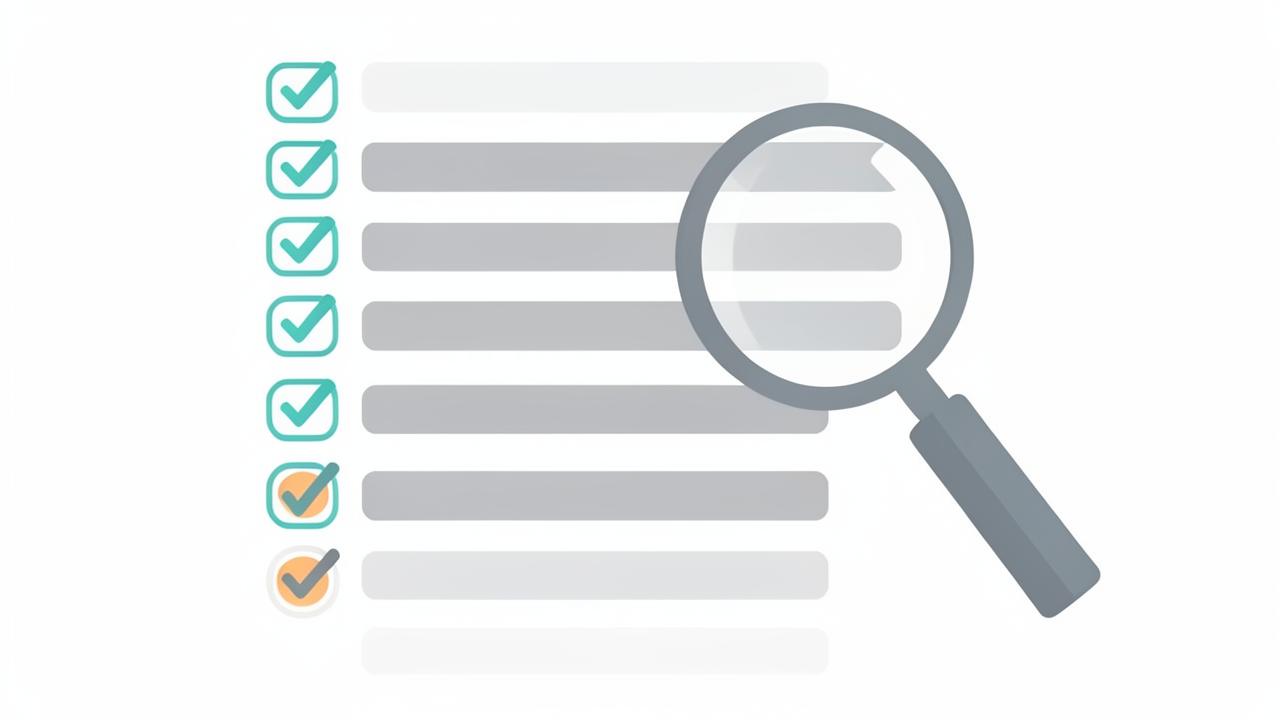
- Missing-document list generated per engagement, not per template
- Prior-year comparison catches the K-1 that did not arrive this year
- Inconsistencies between answers and documents flagged for review
- One follow-up message covering everything outstanding
Most rework starts with an incomplete file
Returns get started, stopped, and restarted because something was missing that nobody checked for. The cost is not just the delay — it is the context a preparer loses every time they put a file down and pick it up three weeks later.
AI gap review reads the engagement as a whole: what the questionnaire said, what last year's return contained, what the client has uploaded, and what the checklist requires. It produces a specific, prioritized list of gaps rather than a generic template of missing items.
Gaps, inconsistencies, and stale data
Three different problems get caught in one pass, each with the evidence attached so a reviewer can confirm in seconds.
- Missing: a 1099-INT present last year with no equivalent this year
- Inconsistent: intake says no rental income, but a Schedule E document arrived
- Incomplete: a brokerage statement uploaded without all pages
- Stale: a document from the wrong tax year attached to this engagement
One clear ask instead of five emails
Every gap review ends with a drafted client message listing exactly what is still needed, in plain language, referencing the client's own answers. Your team reviews and sends it — nothing goes to a client without a human approving it.
Frequently asked questions
- What does AI gap review look for?
- It compares questionnaire answers, prior-year returns, and uploaded documents to surface what is missing, inconsistent, or contradictory before preparation begins.
- Does it replace preparer review?
- No. It gives your preparer a prioritized list of open questions and suspected omissions. A person still decides what to ask the client and what to accept.
- Can it draft the follow-up to the client?
- Yes. Each identified gap can become a plain-language client question or document request that staff review before it is sent.
See ai information/gap review in your firm
Book a 15-minute walkthrough and we will show this working on engagements that look like yours.
Book a demoExplore more capabilities
Every partner, manager, preparer, admin, and client signs in through one secure, auditable identity layer — with single sign-on, multi-factor authentication, and controlled onboarding and offboarding of staff.
RBAC/PBAC & PermissionsDefine exactly what each role can see and do — then layer policy rules on top so access follows the client, the entity, the pod, and the engagement rather than one flat permission list.
Staff & POD AdministrationGroup your team into PODs — small pods of preparers, reviewers, and admins who own a book of clients together — then manage assignments, capacity, and coverage from one screen.
Client & Household ManagementLink spouses, dependents, trusts, partnerships, and closely held companies into a single household so your team sees the whole relationship instead of six disconnected client records.