Business financials, entities, and ownership tracking
Map entity structures and ownership percentages, tie owners to their individual returns, and keep business financial statements attached to the engagement that needs them.
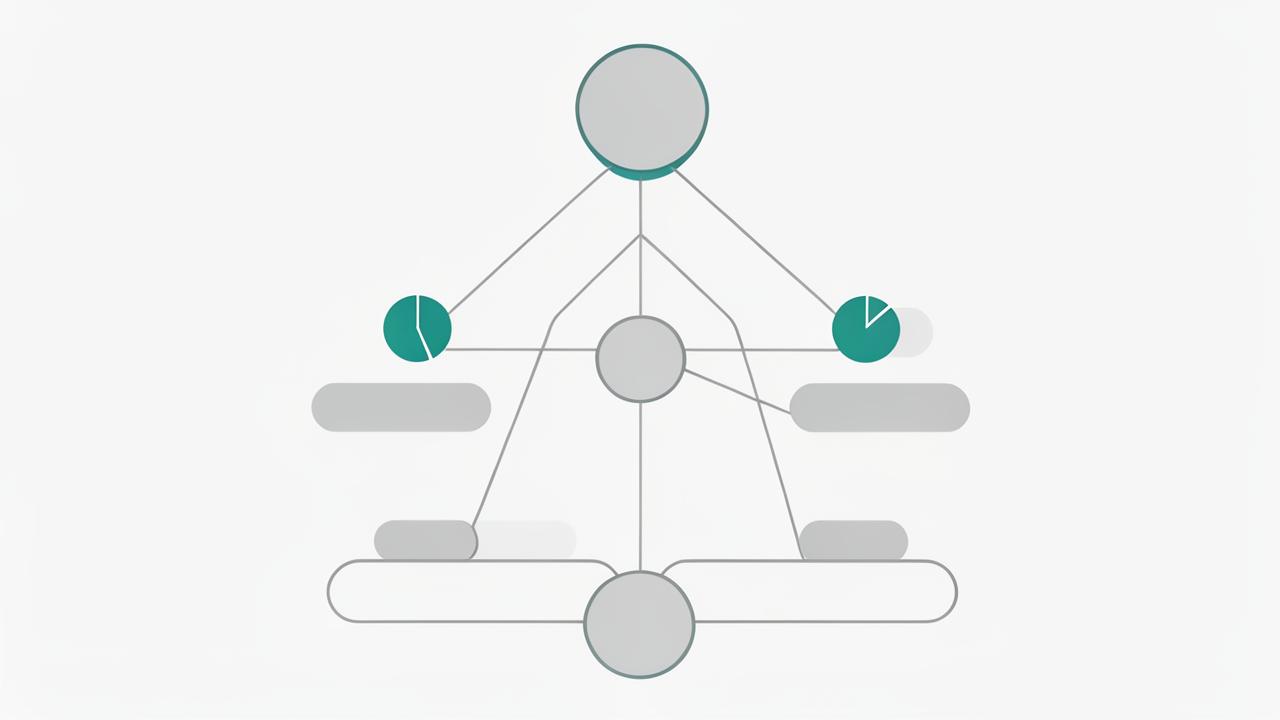
- Entity records for S corps, C corps, partnerships, LLCs, and trusts
- Ownership percentages with effective dates and history
- K-1 flow mapped from entity to individual return
- Financial statements, trial balances, and books attached per period
Ownership drives the work, so model it properly
A partnership return produces K-1s that block several 1040s. A holding company owns two operating entities with different fiscal years. An owner sold 20% mid-year. If ownership lives in a partner's memory, the firm learns about problems in April.
WeCloseBooks stores entities and ownership as structured records: who owns what, at what percentage, from what date, with the documentation behind each change. Staff can see the whole structure and understand which returns depend on which.
Financials tied to the engagement
Business engagements need books, not just tax documents. Trial balances, financial statements, payroll reports, loan statements, and fixed-asset schedules are collected per period against the entity they belong to, with the same AI classification and gap review used everywhere else.
- Period-based collection for monthly, quarterly, and annual work
- QuickBooks-sourced financials attached to the right engagement
- Fixed asset and depreciation continuity from prior year
- Basis and distribution detail kept with the owner record
Dependencies made visible
Because the system knows that three individual returns wait on one partnership K-1, staff see the dependency on the dashboard and clients get follow-up in the right order. The partnership is chased first, not last.
Frequently asked questions
- Can WeCloseBooks track ownership across related entities?
- Yes. Record owners, ownership percentages, and entity relationships so partnerships, S corps, trusts, and holding structures are mapped in one place.
- Where do business financials come from?
- Financial statements and trial balances are collected as part of the engagement checklist and attached to the entity and period they belong to.
- Does this help with K-1 tracking?
- Ownership records show which individual returns depend on which entity filings, so you can see whose K-1 is blocking whose return.
See business financials, entities & ownership in your firm
Book a 15-minute walkthrough and we will show this working on engagements that look like yours.
Book a demoExplore more capabilities
Every partner, manager, preparer, admin, and client signs in through one secure, auditable identity layer — with single sign-on, multi-factor authentication, and controlled onboarding and offboarding of staff.
RBAC/PBAC & PermissionsDefine exactly what each role can see and do — then layer policy rules on top so access follows the client, the entity, the pod, and the engagement rather than one flat permission list.
Staff & POD AdministrationGroup your team into PODs — small pods of preparers, reviewers, and admins who own a book of clients together — then manage assignments, capacity, and coverage from one screen.
Client & Household ManagementLink spouses, dependents, trusts, partnerships, and closely held companies into a single household so your team sees the whole relationship instead of six disconnected client records.